- This topic is empty.
-
AuthorPosts
-
27/11/2026 at 16:48 #153280
The rapid development of smart cleaning appliances is changing how household and commercial cleaning products are designed and manufactured. Robot vacuum cleaners, floor scrubbers, and automated cleaning systems now incorporate more sensors, motors, filters, and precision-engineered components. As a result, manufacturers face growing demands for reliable bonding, effective sealing, vibration resistance, and efficient assembly processes.
Adhesives are no longer used simply to hold components together. They contribute to structural stability, noise reduction, airtightness, and long-term product durability. Selecting the right bonding technology has therefore become an important consideration for cleaning appliance manufacturers.
1. Manufacturing Challenges in Modern Cleaning Equipment
Cleaning appliances operate in environments involving continuous vibration, moisture, temperature fluctuations, and repeated mechanical movement. These conditions place considerable demands on adhesive performance.
Several factors require particular attention:
-
Multi-material bonding: Different components may combine ABS, PC, TPU, foam, non-woven fabric, and metal inserts, requiring reliable adhesion between dissimilar substrates.
-
Vibration and impact resistance: Motor operation and repeated movement can cause adhesive joints to loosen, crack, or peel over time.
-
Airtight sealing: Fan chambers and filter assemblies require effective sealing to prevent air leakage and maintain suction performance.
-
Noise reduction: Poorly secured internal components and plastic panels can generate unwanted rattling and squeaking.
-
Production efficiency: Automated assembly requires consistent dispensing, suitable open time, and sufficient initial bonding strength.
-
Environmental requirements: Low-VOC and solvent-free adhesive options are increasingly important for manufacturers seeking to improve workplace conditions and meet applicable environmental requirements.
Addressing these challenges during product design and material selection can help reduce assembly defects and avoid expensive modifications after production begins.
2. Where Adhesives Make a Difference in Cleaning Appliances
Different parts of a cleaning appliance have different bonding requirements. Adhesive selection should reflect the mechanical load, material combination, and operating environment of each application.
Housing and decorative components
Adhesives are used to join upper and lower housings, decorative panels, glass elements, and trim components. Good bonding performance helps maintain structural integrity while minimizing visible gaps and adhesive overflow.
Roller brush assemblies
Roller brushes experience continuous rotation, friction, and mechanical stress. Bonding materials used to attach fabrics, sponges, and plastic components should provide sufficient adhesion and resistance to repeated movement.
Robot vacuum bumpers
Flexible bonding solutions can help secure bumper components while accommodating repeated impacts. Maintaining reliable attachment is particularly important for products equipped with obstacle-detection sensors.
Motor chambers and filtration systems
Fan chambers require dependable sealing to prevent air leakage. Similarly, adhesive bonding around HEPA filter frames helps reduce bypass leakage, supporting effective filtration performance.
Internal electronics and battery components
Sensors, wiring harnesses, and battery-related components may require secure fixation and vibration damping to maintain stability during operation.
3. Selecting the Right Adhesive Chemistry
Different cleaning appliance applications require different adhesive properties. PUR reactive hot melt adhesives are an important solution offered by Wuxi Laien Technology.
These adhesives develop initial strength as they cool, allowing assembled components to be handled relatively quickly. They then continue curing through reaction with moisture in the environment, forming a stronger adhesive bond. Their flexibility, vibration resistance, and compatibility with various substrates make them suitable for selected appliance assembly applications.
Other adhesive chemistries may be more appropriate for specific requirements. Two-component epoxy adhesives can provide strong, rigid bonding, while silicone and MS polymer products are commonly considered for elastic sealing. Conventional hot melt adhesives may be suitable for lighter fixation applications where structural loads are limited.
The final choice should depend on substrate compatibility, joint design, operating conditions, and required production cycle time.
4. Improving Production Consistency Through Application Support
Choosing an adhesive grade is only one part of achieving reliable bonding. Dispensing equipment, surface preparation, application temperature, open time, and curing conditions can all influence the final result.
Wuxi Laien Technology provides application engineering support for cleaning appliance manufacturers, helping evaluate substrate combinations, assembly workflows, and performance requirements. Its technical team can assist with adhesive selection, dispensing trials, and adjustments to parameters such as viscosity, open time, and hardness.
This process-oriented approach helps manufacturers address bonding problems at the application level rather than relying solely on adhesive replacement after defects occur.
5. Meeting the Cleaning Appliance Industry at the 2026 Expo
As cleaning appliances continue to become smarter and more integrated, cooperation between component manufacturers and adhesive suppliers will remain important for improving product reliability and manufacturing efficiency.
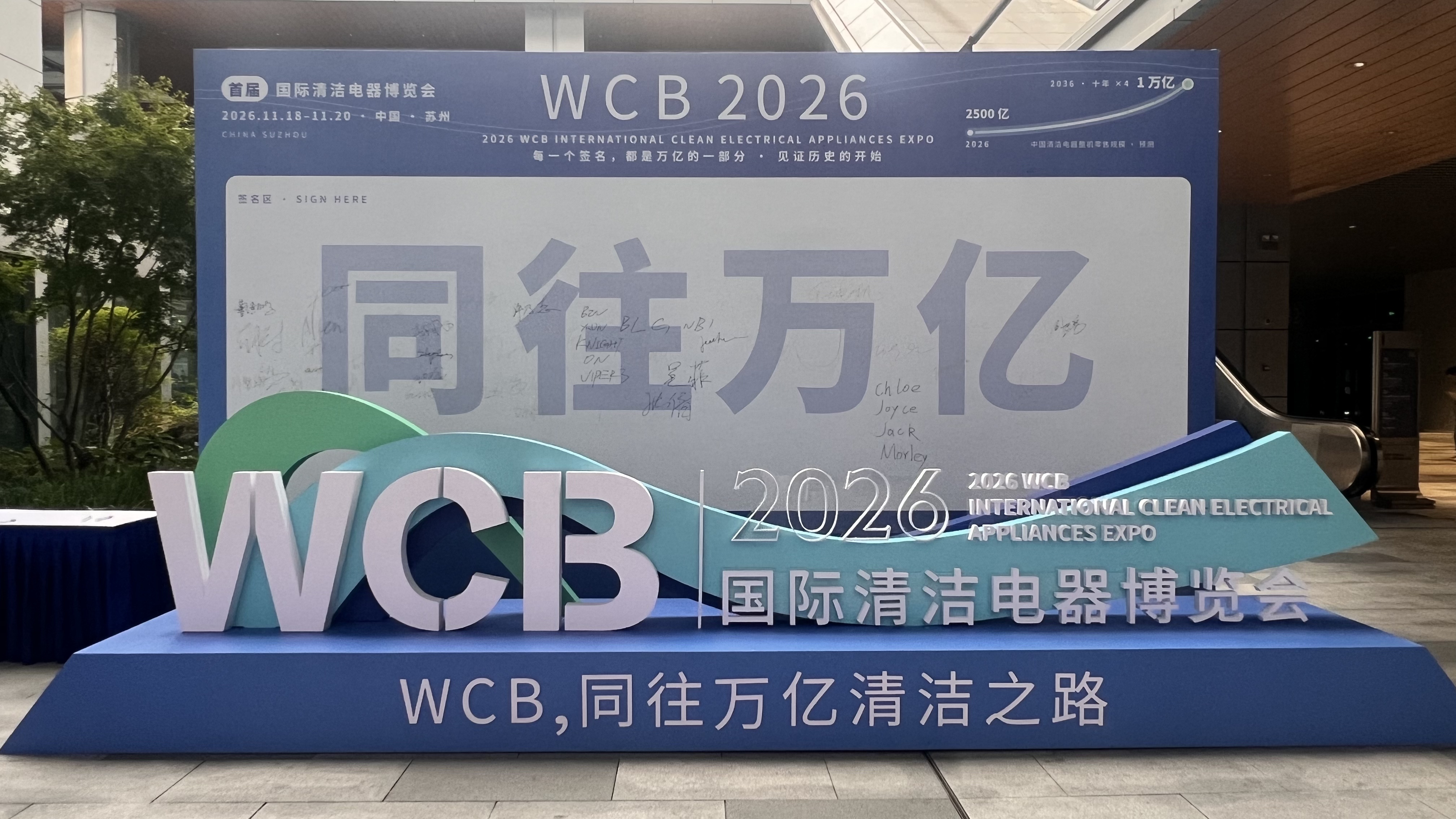
Wuxi Laien Technology will participate in the International Cleaning Appliance Expo 2026, taking place from November 18 to 20 in Suzhou, China.
Industry professionals, product designers, purchasing managers, and OEM partners are welcome to visit Booth A-11 to discuss bonding requirements for roller brushes, appliance housings, filtration systems, sealing structures, and internal components.
The exhibition offers an opportunity to exchange technical experience and explore adhesive solutions for the evolving cleaning appliance market.
http://www.laienadhesive.com
Wuxi Laien Technology Co., Ltd. -
-
AuthorPosts

- You must be logged in to reply to this topic.