- This topic is empty.
-
AuthorPosts
-
29/10/2026 at 17:13 #152958
As more Australian households adopt solar power, energy storage is becoming an important part of residential energy management. A home energy storage battery stores electricity for later use, helping households make better use of available energy. However, choosing a suitable system involves more than comparing storage capacity. Safety compliance, installation conditions, inverter compatibility, and product documentation also deserve attention.
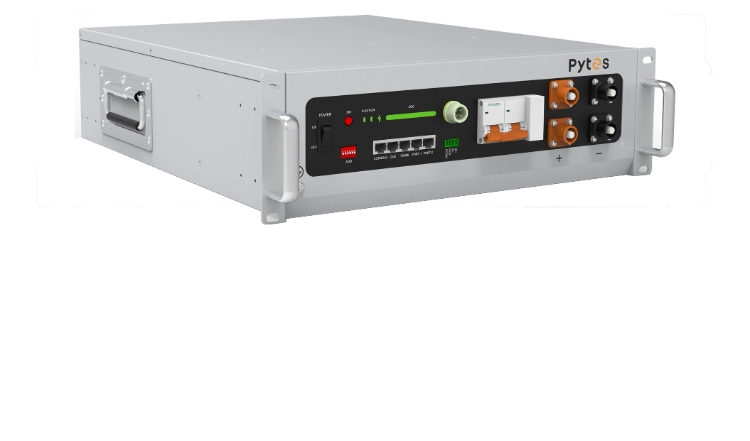
Understanding Australian Battery Approval Requirements
In Australia, battery safety and compliance requirements play an important role in residential energy storage. The Clean Energy Council (CEC) Approved Batteries list is relevant to certain government incentive programs, network requirements, and the Small-scale Renewable Energy Scheme.
To qualify for listing, a battery must meet the applicable assessment requirements, supported by relevant testing, certification, technical documentation, installation instructions, and warranty information. Depending on the certification pathway, assessment may involve a certification body accredited by an appropriate organization, such as an IEC-recognized scheme or JAS-ANZ.
These requirements help homeowners and installers identify products with the necessary compliance documentation before proceeding with a battery installation.
What the SA TS 5398:2025 Transition Means
Australia's battery safety requirements are also evolving. Published in October 2025, SA TS 5398:2025, Electrical Energy Storage Equipment – Safety Requirements, introduces a new framework for battery safety assessment.
From January 1, 2027, new battery applications to the CEC list will be accepted only under SA TS 5398. Products approved under the previous Best Practice Guide are scheduled to be removed from the list by December 31, 2027.
When comparing batteries, homeowners should therefore consider not only whether a product is currently listed, but also whether its approval status and supporting documentation remain suitable for their planned installation.
Installation Standards and Property Conditions
AS/NZS 5139:2019 addresses safety requirements for battery systems connected to power conversion equipment supplying AC or DC electricity. Its requirements are relevant to how a residential battery system is arranged and installed.
The appropriate installation setup depends on the property, location, electrical system, and applicable local requirements. Factors such as enclosure design, electrical connections, ventilation, protective measures, and required clearances all influence where and how a battery can be installed.
Whether the battery is placed in a garage, utility area, or outdoors, the installation environment matters. Temperature, humidity, dust, enclosure protection, and thermal management should all be considered when selecting a suitable location. Following the manufacturer's installation instructions also helps ensure correct commissioning and system operation.
Battery Performance and System Compatibility
A home battery must work reliably with the rest of the energy system. Its capacity, electrical safety features, thermal management, and compatibility with the inverter all affect how the system operates.
The battery management system (BMS) monitors battery conditions, manages charging and discharging, and provides protection against abnormal operating conditions. Communication between the battery and inverter is also important, as incompatible equipment may affect system functionality.
For this reason, homeowners should confirm that the selected battery is compatible with their intended inverter and system configuration rather than assuming that all batteries can work with every residential energy storage setup.
Product Quality and Documentation
Consistent manufacturing and quality control help ensure that batteries perform as intended. Checks may include incoming material inspection, assembly verification, electrical testing, functional testing, and final inspection. Consistency in electrical characteristics, protection functions, firmware, and enclosure configuration is also important.
Changes to a product's design or configuration may affect its existing certification or installation requirements. A battery should therefore match the specifications and documentation associated with its approved configuration.
Supporting documents are equally important. Depending on the product and applicable requirements, these may include datasheets, installation manuals, warranty information, battery identification, commissioning instructions, alarm response procedures, risk assessments, and decommissioning guidance. Clear, up-to-date documentation helps installers set up the system correctly and gives homeowners useful information for operation and future servicing.
Choosing a Suitable Home Battery
For Australian homeowners, selecting a home energy storage battery means looking beyond capacity and price. Approval status, relevant safety standards, inverter compatibility, installation conditions, product quality, and clear documentation all contribute to a suitable residential system.
Considering these factors early can help homeowners discuss their requirements with qualified installers and choose a battery system that fits their property, energy needs, and installation conditions.
https://www.pytes.au/all-products/
https://www.pytes.au/
Pytes Australia -
AuthorPosts

- You must be logged in to reply to this topic.