- This topic is empty.
-
AuthorPosts
-
02/11/2026 at 16:51 #152993
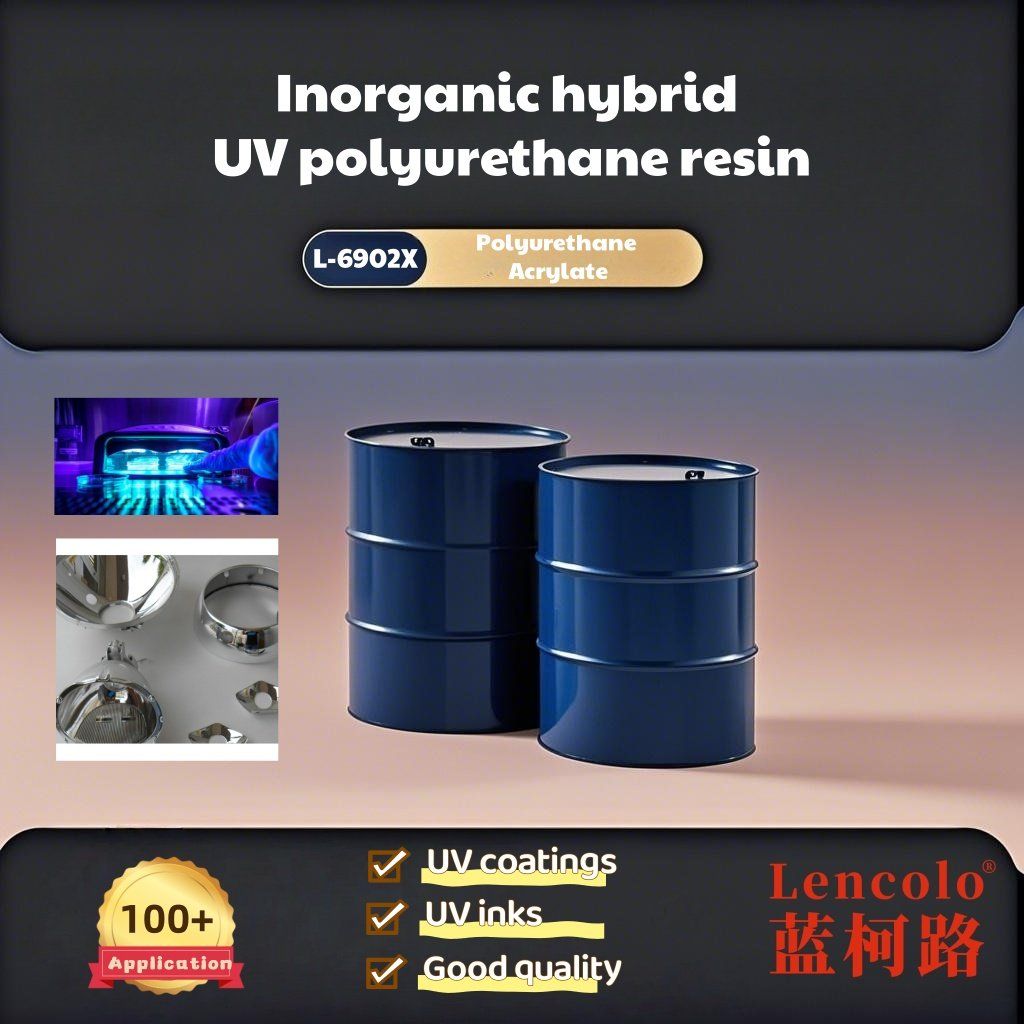
PET film coatings require UV resins that provide reliable adhesion, good film formation, scratch resistance, and chemical durability while maintaining surface clarity and appearance. Depending on the end use, coatings may also need resistance to water, heat, hand sweat, or industrial chemicals.
Guangdong Lencolo New Material Co., Ltd., under the Lencolo brand, supplies UV-curable resins for PET film coatings, inks, varnishes, and adhesive applications. The following FAQs explain key selection considerations and introduce several Lencolo resin grades relevant to PET-related projects.
1. What properties matter when selecting UV resin for PET film?
The main considerations include adhesion to PET, film flexibility, hardness, scratch resistance, chemical resistance, and curing performance. Surface requirements such as gloss, matte appearance, transparency, and soft-touch feel may also influence resin selection.
The final result depends on the complete formulation, including UV monomers, photoinitiators, additives, pigments or fillers, film thickness, and curing conditions.
2. Which Lencolo UV resin is suitable for PET soft-touch coatings?
L-6410 is a polyurethane acrylate positioned for PET film soft-touch coatings, plastic coatings, and mobile device applications. Its key characteristics include water resistance, hand sweat resistance, scratch resistance, and good color compatibility.
It can be considered for PET applications where surface durability and appearance are both important.
3. Which UV resin is suitable for PET coatings requiring boiling and chemical resistance?
L-8412A is a UV polyurethane resin indicated for PET, wood, plastic, inks, and varnishes. Its product features include good dryness, scratch resistance, resistance to boiling and soaking, and resistance to cutting fluids.
It is a candidate for projects where the coating needs to withstand more demanding water or industrial exposure conditions.
4. Which UV resin offers good adhesion to untreated PET?
L-8405M is an adhesive UV resin designed around low shrinkage, excellent toughness, and good adhesion to untreated PET.
It can be evaluated in adhesive, ink, and coating formulations where bonding to untreated PET and maintaining film toughness are important requirements.
5. Which UV resin is suitable for PET coatings with anti-fingerprint and soft-touch properties?
L-6903 is a high-leveling polyurethane acrylate with good soft-touch skin feel, outstanding adhesion to PET, anti-graffiti performance, and anti-fingerprint properties.
It is indicated for gloss varnishes, inks, PVD, paper, plastic, and wood applications. It can be considered where PET adhesion and surface protection need to be combined.
6. Can one UV resin grade meet every PET coating requirement?
Not necessarily. Different PET applications may require different balances of adhesion, flexibility, hardness, chemical resistance, and surface properties. A resin suitable for a soft-touch coating may not be the best choice for an industrial coating exposed to cutting fluids or boiling water.
The four grades discussed above serve different formulation purposes and should be compared according to the actual application.
7. What information is needed before recommending a UV resin for PET film?
A useful technical evaluation should include:
-
PET film type and surface treatment
-
Coating, ink, varnish, or adhesive application
-
Application method and target viscosity
-
Mercury UV, UV LED, or other curing process
-
Required film thickness
-
Adhesion, hardness, flexibility, and scratch resistance targets
-
Water, chemical, heat, and surface appearance requirements
If an existing formulation is available, its monomers, photoinitiators, additives, pigments, fillers, and solvents should also be considered where relevant.
8. How should PET coating performance be verified?
Candidate resins should be evaluated through formulation trials using the actual PET substrate and production process. Testing may include adhesion, scratch resistance, flexibility, water resistance, chemical resistance, and surface appearance.
Lencolo provides product selection guidance, technical data, and reference formulation support. Reference formulations and process parameters should be treated as starting points rather than universal production guarantees.
Conclusion
Selecting UV resin for PET film coatings requires more than matching a product to a substrate name. Lencolo grades such as L-6410, L-8412A, L-8405M, and L-6903 address different requirements involving PET adhesion, soft-touch performance, chemical resistance, toughness, and surface protection.
By evaluating resin characteristics together with the formulation, application method, and curing conditions, manufacturers can identify suitable candidates and validate their performance under actual production requirements.
https://www.lencolo37.com/
Guangdong Lencolo New Material Co., Ltd. -
-
AuthorPosts

- You must be logged in to reply to this topic.